918-608-8888
 sales@sparkservices.net

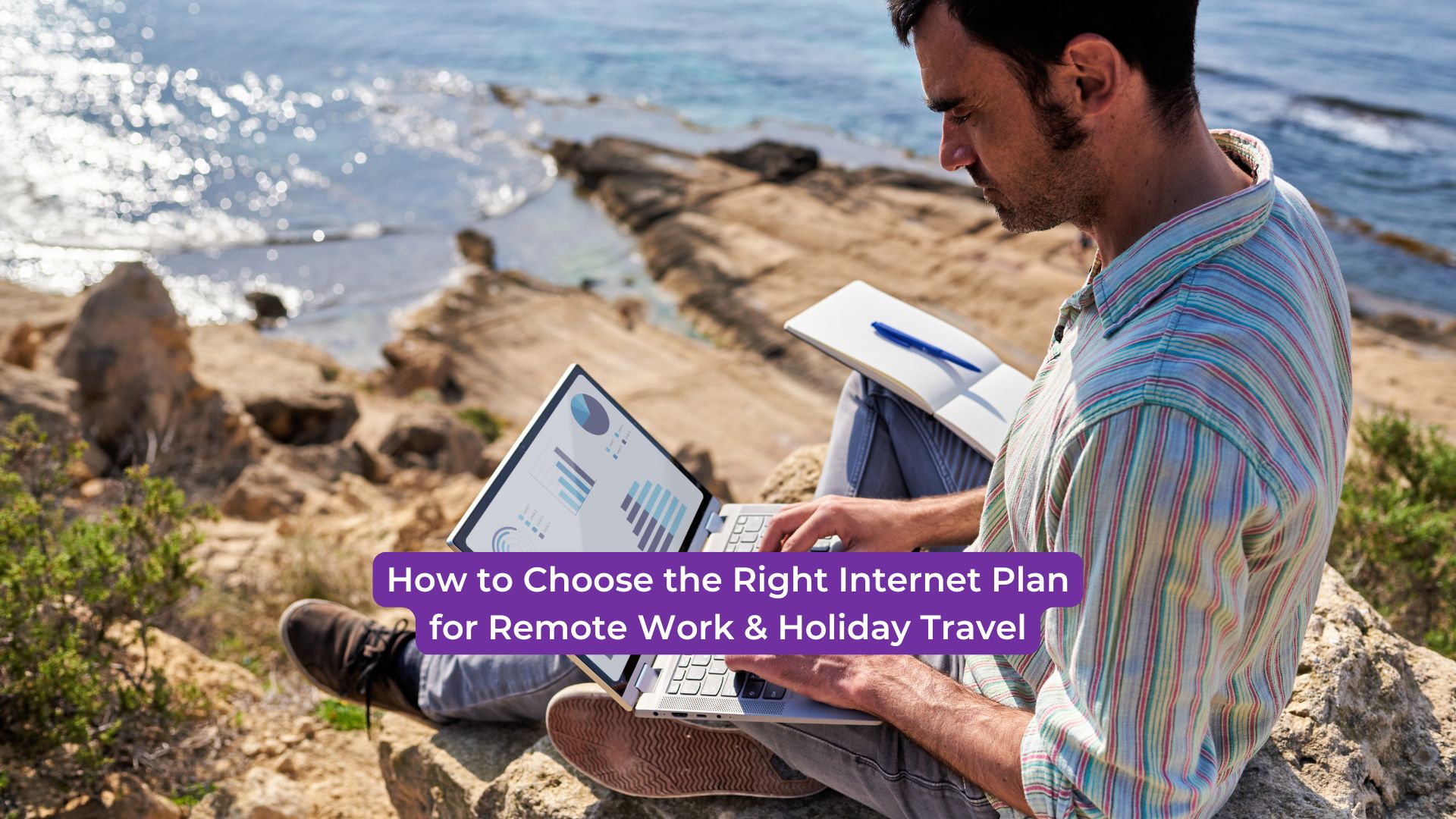
Remote work has become a normal part of life for millions of people, and the holiday season adds another layer of complexity. With travel, family gatherings, and flexible schedules, choosing the right internet plan becomes essential to staying connected and productive. Whether you’re working from home, visiting relatives, or taking your laptop on the road, the right plan ensures smooth video calls, uninterrupted browsing, and reliable connectivity no matter where you go.
Here’s a practical guide on how to choose an internet plan that supports both remote work and holiday travel, along with insights on what features matter most and how services like SPARK can help.
1. Evaluate Your Work Requirements Before Choosing a Plan
Before you look at data limits or speed tiers, think about how you actually work.
Ask yourself:
- Do you attend video meetings daily?
- Do you upload large files?
- Do you rely on cloud-based applications?
- Do you stream, edit, or share media?
Here’s a quick guideline:
- Basic remote work: Emails, browsing, messaging → 10–25 Mbps
- Regular video calls: Zoom/Teams meetings → 25–50 Mbps
- Large file uploads or multiple users → 50–100+ Mbps
Understanding your usage helps you choose the right speed without overpaying.
2. Look for Plans with Reliable Upload Speeds
Many people focus only on download speeds, but remote work often requires frequent uploads such as:
- Sending files
- Screen sharing
- Saving work to the cloud
- Uploading media
Holiday travel also means you may be working from areas where networks are shared or congested.
Choose plans with:
- At least 10 Mbps upload for basic work
- 20–40 Mbps upload for heavy collaboration or media tasks
SPARK Services offers reliable upload speeds for both home and business users, ensuring consistent performance even during peak hours.
3. Consider the Coverage Area for Holiday Travel
Not all internet plans work everywhere. When traveling for the holidays especially to rural or semi-remote locations you need to ensure your provider has stable coverage.
Check:
- Does the provider offer rural internet or LTE-based wireless options?
- Is the area known for low connectivity?
- Can you switch between networks if needed?
SPARK provides carrier-neutral internet, making it easier to stay connected in areas where traditional broadband fails.
4. Choose Flexible or Short-Term Plans for Seasonal Travel
If you travel only during December, a long-term commitment doesn’t make sense.
Look for:
- No-contract internet options
- Temporary data boosts
- Pay-as-you-go wireless plans
- Add-on hotspots
Short-term or flexible plans are great for remote workers who only need extra connectivity for a few weeks at the end of the year.
5. Use a Backup Connection for Stability
Even the best internet plans can experience interruptions—especially during the holidays when usage spikes.
Always have a backup:
- Mobile hotspot
- Secondary SIM card
- Portable router
- Public Wi-Fi access plan
For business travelers, a 4G or 5G hotspot can be a lifesaver during video calls or urgent file uploads.
SPARK Services offers multiple internet types, allowing you to choose a primary connection and a reliable secondary option.
6. Check for Data Caps and Fair Usage Limits
Nothing disrupts a workday like hitting a data limit during a video meeting.
Before you buy:
- Look for unlimited data
- Read about fair usage policies
- Check the upload/download ratio
- See what speeds reduce to after data is exhausted
Remote work often consumes more data than expected, especially during travel when Wi-Fi networks may not be shared.
7. Prioritize Security, Especially When Traveling
Working outside your home network increases your exposure to security risks.
Ensure your connection supports:
- Encrypted browsing
- Secure routers
- Firewalls
- Private hotspot connections
Avoid public Wi-Fi unless necessary. If you must use it, connect through a VPN and avoid accessing sensitive files.
SPARK can help with secure network setups and router configurations for safer remote work.
8. Consider the Number of Devices Using the Connection
During the holidays, your network competes with:
- Family members streaming movies
- Kids attending online classes
- Guests using Wi-Fi
- Smart home devices, cameras, etc.
Choose a plan that can support multiple devices without reducing your work performance. Look for:
- Higher bandwidth
- Dual-band or tri-band routers
- QoS (Quality of Service) features that prioritize work apps
9. Know When to Upgrade Your Existing Plan
If you’ve been on the same internet plan for years, it may not meet today’s remote-work standards.
Upgrade if:
- Meetings lag or freeze
- Uploading files takes too long
- Your router is over five years old
- Multiple devices cause slowdowns
- You travel often and need more flexible options
SPARK Services offers high-quality residential and business internet plans designed specifically for heavy work usage and multi-device households.
Final Thoughts
Choosing the right internet plan for remote work and holiday travel is all about understanding your work habits, assessing your travel needs, and ensuring you have a reliable, secure, and flexible connection. With the right plan in place, you can enjoy the holiday season without sacrificing productivity or peace of mind.
If you need help selecting the ideal internet plan for your home, business, or travel needs, SPARK Services offers fast, dependable, and customizable options to keep you connected wherever you go.